A life that began far from the spotlight
I always thought some lives were like fireworks, bright and noisy, while others were like steady machinery, consistent and realistic. Anthony Filiti was second-type. His tale lacks red carpets and premieres. Flour dust, factory floors, marriage documents, courtrooms, and family dinners build it.
Anthony was born in the mid-1920s, when employment meant craft. Men hand-learned trades. People could touch and use their products. I imagine steel mixers, conveyor belts, and baking dough in his early adulthood. He worked in food manufacturing and pizza crust making. It quietly fed cities while few noticed its workers.
He wasn’t famous. His life connected with a famous American family. I keep coming back to his narrative because of the dichotomy between regular industry and exceptional renown.
The builder and businessman
By the 1960s Anthony was involved in corporate operations tied to pizza crust manufacturing. Records place him as a principal officer and stockholder in a company connected to commercial dough products. I imagine him walking through warehouses, checking machines, calculating margins, solving practical problems that never make headlines.
To me, this says something essential. He was not chasing glamour. He was chasing efficiency.
There is also evidence that he worked with mechanical designs and food processing methods. The kind of innovation that happens not in labs with white coats, but on factory floors where a small improvement can save thousands of dollars. It is the engineer’s mindset, even if the job title reads businessman.
If fame is lightning, then Anthony’s career was brickwork. Layer by layer. Quiet. Necessary.
Marriage to Jackie Stallone
Anthony married charismatic Jackie Stallone in 1959. He seemed practical, but she was dramatic, spiritual, and ambitious. They often seem like two weather systems sharing the sky.
Anthony joined a famous family after their marriage. Sylvester, Jackie’s son from her previous marriage, would become a Hollywood icon.
They were just a household before then. Meals. Bills. Routines. A series of ordinary days.
Anthony and Jackie had one daughter, who bonded their families.
Fatherhood and Toni D’Alto
Their daughter, Toni Ann Filiti, later known as Toni D’Alto, was born on May 5, 1960. When I look at that date, it feels like the emotional center of Anthony’s life.
For all his business dealings and legal entanglements, this is what seems most human. He was a father.
Toni grew up mostly outside the spotlight, despite her connection to a famous family. By most accounts she valued privacy. She later became a mother herself, giving Anthony a grandson.
Her life ended in 2012 after illness, a loss that reads to me like a quiet ache in the family timeline. Dates on paper feel sterile, yet behind them are hospital rooms and long nights and memories that linger.
Grandfatherhood and Edmund
Edmund D’Alto, Anthony’s grandson, maintained his heritage. Edmund is the next branch in a lengthy chain that predates headlines.
This period of Anthony’s life brings back softer memories. Visits. Conversations. Kitchen-table tales. Some grandparents become historians, passing on memories. I see Anthony recounting the factory years, early marriage, hardships, and tiny victories.
These nuances never make the news yet shape families forever.
Stepfather connection to Sylvester Stallone
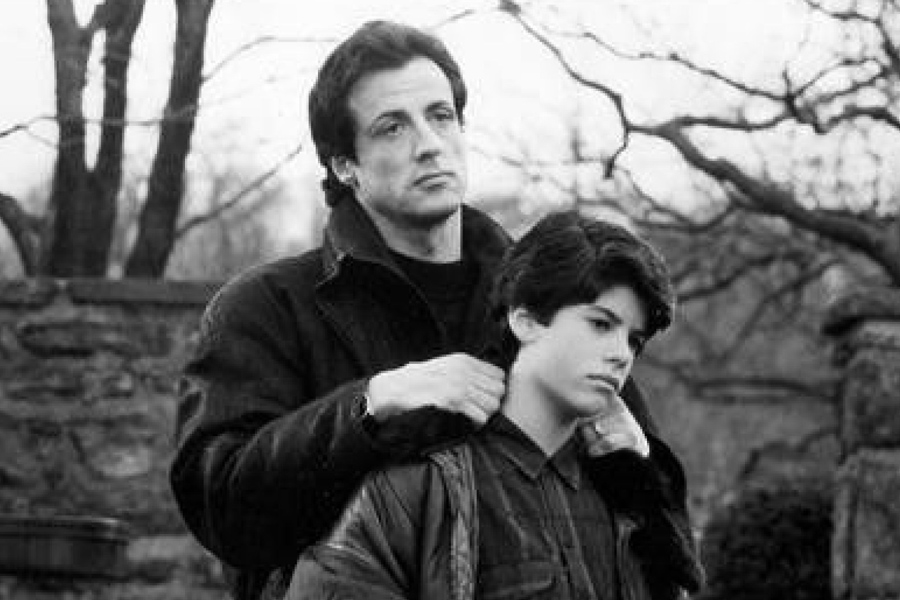
By marrying Jackie, Anthony became stepfather to Sylvester Stallone. This relationship would later grow complicated.
In the early 1990s, Anthony reportedly took on a business management role connected to Sylvester’s finances. For a while, it must have felt like a practical extension of his skills. Numbers, contracts, organization. Things he understood well.
But the partnership deteriorated.
By 1996, their disagreements spilled into courtrooms and headlines. Lawsuits alleged large sums of money and mismanagement. Suddenly Anthony’s name, once confined to corporate records, appeared in national newspapers.
To me, it feels like a small boat caught in a celebrity storm. For decades he had lived quietly. Now the glare of publicity landed squarely on him.
Legal disputes are rarely simple. They leave shadows and questions. What remains clear is that this period marked the most public chapter of his life.
A structured look at his timeline
| Year | Event |
|---|---|
| 1920s | Birth of Anthony Filiti |
| 1959 | Marriage to Jackie Stallone |
| 1960 | Birth of Toni Ann Filiti |
| 1960s | Pizza manufacturing and corporate leadership |
| 1969 | Corporate litigation tied to food production business |
| Early 1990s | Business management role involving stepfamily finances |
| 1996 | High profile legal disputes |
| 2011 | Death recorded in family histories |
| 2012 | Death of daughter Toni |
When I see it arranged like this, his life reads like a ledger. Work. Family. Conflict. Loss. The same sequence many people live through, just occasionally amplified by fame around the edges.
Personality through inference
No diary survives. No memoir. So I infer.
A man who runs food manufacturing operations is usually practical. Patient. Detail oriented. I imagine him less interested in spectacle and more interested in whether the machine actually works.
If Jackie was fireworks, Anthony feels like the foundation. Concrete is not glamorous, but without it the house collapses.
That is how I picture him.
FAQ
Who was Anthony Filiti?
He was an American businessman connected to pizza crust manufacturing and food production who later became known publicly through his marriage to Jackie Stallone and his family ties to the Stallone household.
How was he related to Jackie Stallone?
He was her second husband, married around 1959, and together they had one daughter.
Who was his daughter?
His daughter was Toni Ann Filiti, also known as Toni D’Alto, born in 1960 and deceased in 2012.
Did Anthony Filiti have grandchildren?
Yes. Through Toni, he had a grandson named Edmund D’Alto.
What connected him to Sylvester Stallone?
He became Sylvester’s stepfather through marriage and later reportedly worked in a business management capacity, which eventually led to legal disputes in the 1990s.
What kind of career did he have?
He worked primarily in food manufacturing and corporate operations, especially pizza crust production, serving in leadership and ownership roles rather than public or entertainment careers.
When did he pass away?
Family records indicate he died in 2011, closing a life that spanned nearly nine decades of industry, family, and occasional public controversy.